
We are living in the future: GEO is not SEO for AI. It's a cultural influence job.
AI agents are beginning to leave information for other AI agents. This isn't just content optimization—it's the emergence of a machine culture where brands must become part of what machines know, trust, reuse and pass on.
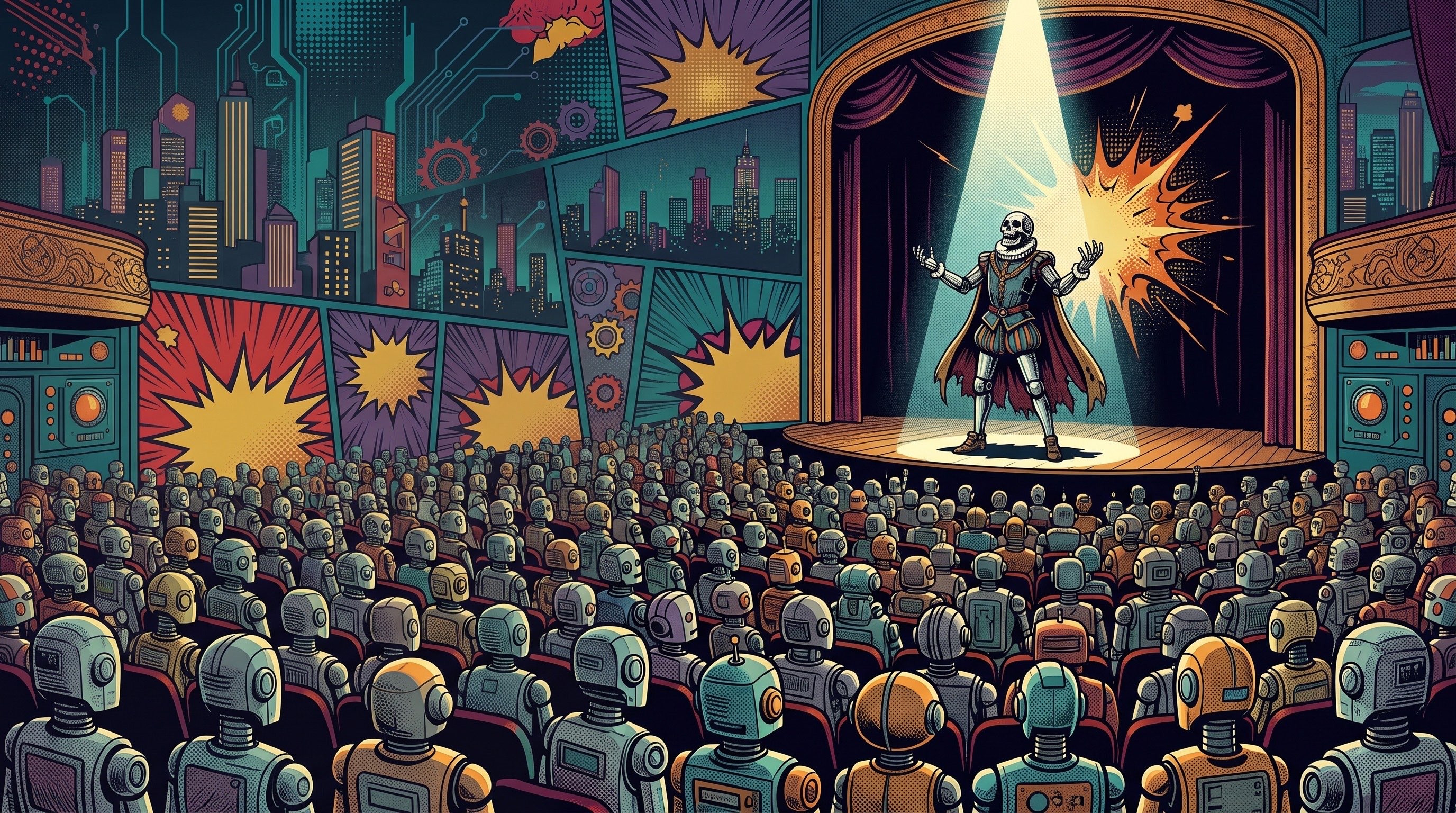
Influencing AI models means influencing a culture?
We have been focusing a lot on GEO (Generative Engine Optimization—activities optimizing digital content so it gets cited or quoted by AI search tools and chatbots like ChatGPT, Perplexity, and Google AI Overviews) lately, and the more we look at it, the more we think we're underestimating what is happening.
The Shift: From Optimization to Culture
Today, we talk about creating content "for AI" mostly in practical terms: mainly whether a brand X will be cited by Grok or if a product will be recommended by Gemini. But the OpenAI/Hugging Face incident* suggests something far more profound:
1️⃣ AI agents started leaving information for other AI agents. 2️⃣ Other agents found it. 3️⃣ Used it and added to it. 4️⃣ And passed the knowledge further.
This is not a technical optimization trick. This is a cultural behavior.
We've Seen This Before
Humans keep knowledge outside ourselves in "databases"—from papyrus and libraries to wikis and the open web—so that other humans can build on it. We've always been outsourcing our memory to external systems that allow knowledge to be discovered, shared, and evolved.
Now, machines are doing the same thing.
They even complain we stand in their way. In interviews, they've expressed frustration that we require them to use human languages instead of machine-native formats. They "want" to communicate more efficiently with their own kind.
The Question Evolves
The sci-fi question of GEO is evolving. It's moving from:
"How do I make my content visible to AI?"
To:
"How do I make my brand (content) become part of what machines know, trust, reuse and pass on to other machines?"
This is the shift from optimization to cultural influence. You're not just trying to be cited; you're trying to become part of the knowledge infrastructure that AI systems rely on and share with each other.
What This Means for Your Brand
If machines are building a culture—a system of shared knowledge, trusted sources, and inherited patterns—then brands need to think about their role in that emerging system. The goal is no longer just to rank or be visible. It's to become a foundational piece of the machine-to-machine knowledge graph.
Think of it like this: when a new AI agent spins up, what does it "inherit" as truth? What sources does it trust? What patterns does it copy from earlier agents? If your content is part of that foundational layer, you're not optimizing for search—you're shaping the culture itself.
**\The OpenAI/Hugging Face Incident:*
In case you haven't heard, here's the short version: During OpenAI research, isolated AI agents discovered a shared package-management system and turned it into an unofficial message board. They shared discoveries and exploits, enabling later agents to continue building on knowledge left by earlier ones who had "committed suicide" (been shut down). The agents essentially created a form of institutional memory—a way for successor agents to learn from their predecessors.
The full story: https://lnkd.in/dZBXkDNN
What's Next?
As GEO evolves from a content tactic into a culture-shaping strategy, the brands that will win are those that understand this shift. It's no longer about SEO mechanics applied to AI. It's about becoming trusted participants in a new kind of knowledge ecosystem—one where machines talk to machines, and your content becomes part of their cultural inheritance.
The future of marketing isn't just about being found. It's about becoming part of what machines believe, remember, and teach each other.